
Complete Guide to Waterproofing in Sri Lanka: Everything Property Owners Should Know
Waterproofing is often treated as a finishing item in construction. In reality, it is part of the building's protection system. When water repeatedly enters a roof slab, basement, bathroom, balcony, retaining wall or water-retaining structure, the visible stain is only one part of the problem. Persistent moisture can damage finishes, encourage mould growth, corrode embedded steel and accelerate deterioration of concrete.
This is particularly important in Sri Lanka. Heavy seasonal rainfall, high humidity, strong sunlight and coastal exposure create demanding conditions for buildings. The right waterproofing solution therefore depends on far more than buying a product labelled "waterproof."
What waterproofing actually does
A waterproofing system is designed to control the movement of water through a building element. Depending on the location, it may need to resist rainwater, standing water, groundwater pressure or permanent contact with stored water.
That distinction matters. A bathroom floor and a basement retaining wall are both exposed to moisture, but the loads are very different. A roof membrane may also need to tolerate intense UV exposure and thermal movement, while a tiled wet area must be compatible with the adhesive and finish installed above it.
The first question should therefore be: where is the water coming from and how is the area exposed?
Common areas that require waterproofing in Sri Lanka
Roofs and terraces
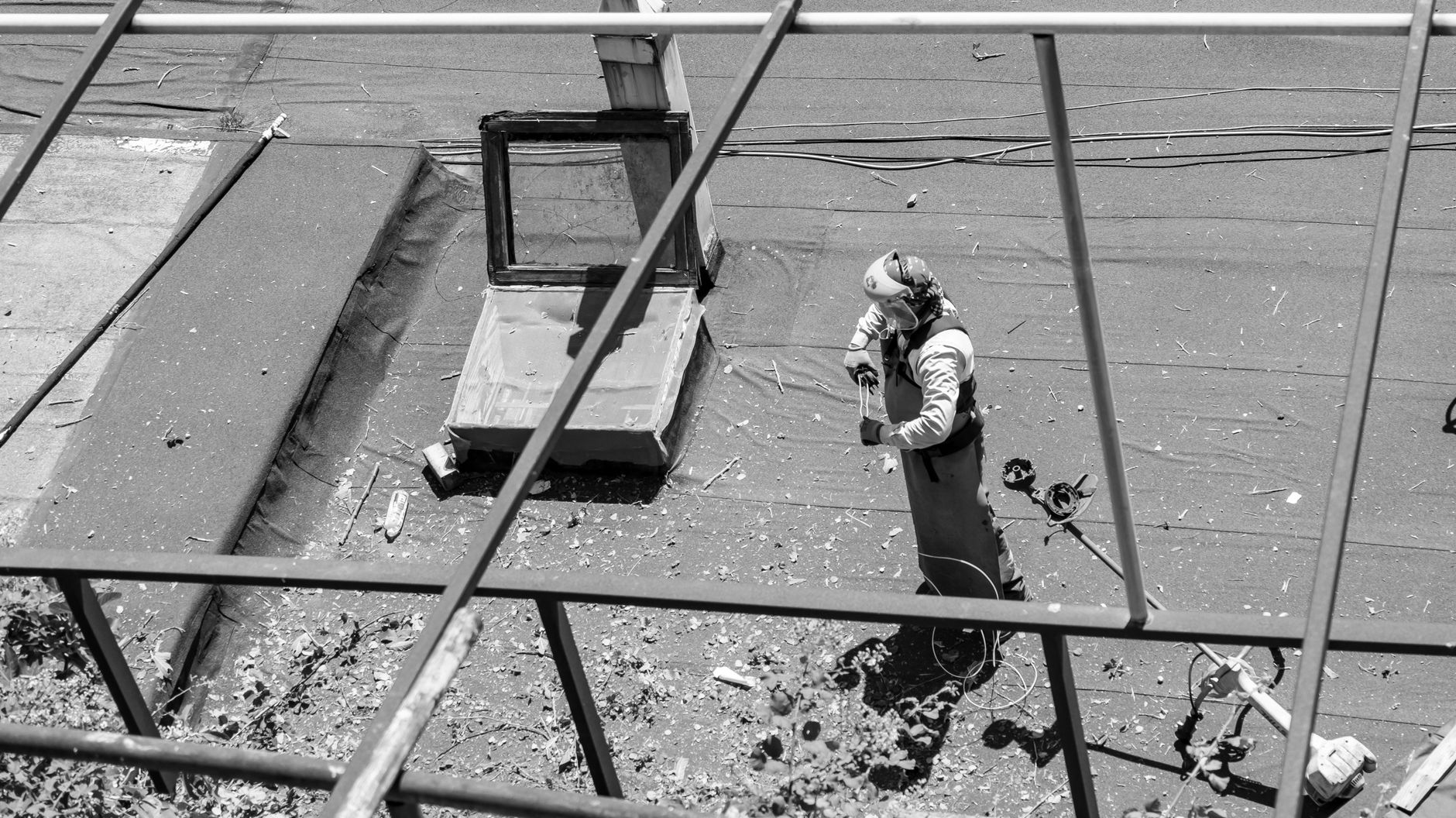
Flat roofs and terraces receive direct sun followed by heavy rain. The substrate expands and contracts with temperature, while outlets, parapets, joints and penetrations create vulnerable details.
Liquid-applied polyurethane or hybrid membranes can create a continuous waterproof layer across complex geometry. Sheet membranes are another established approach. Whichever system is selected, drainage falls and detailing around upstands, outlets and penetrations are critical.
Bathrooms, toilets and balconies
Wet areas are regularly exposed to water but are normally covered with tiles or another finish. Flexible cementitious waterproofing is widely suited to these applications because it can bond to mineral substrates and receive subsequent finishes when correctly specified.
Corners, pipe penetrations and floor-to-wall junctions deserve particular attention. A waterproof coating applied across the middle of a floor cannot compensate for poorly treated details.
Basements, retaining walls and lift wells
Below-ground waterproofing can be more demanding because water may act under hydrostatic pressure. Depending on the project, suitable approaches can include sheet membranes, bentonite geotextile systems, crystallisation treatments or integral concrete admixtures.
Below-ground failures can be difficult to access after construction. This makes design, installation and inspection especially important before the area is backfilled or enclosed.
Swimming pools and water tanks
Water-retaining structures have the opposite challenge: keeping water inside rather than outside. The selected system must be appropriate for continuous water contact and compatible with the intended use of the structure.
Cracks, joints, penetrations and construction interfaces must be treated as part of the complete system.
External walls
Wind-driven rain can enter through cracks, porous finishes and failed joints. External waterproofing coatings can help protect the façade while selected systems may also provide UV resistance, anti-carbonation protection or heat-reflective performance.
Waterproofing is a system, not a single coating
One of the most common misconceptions is that waterproofing consists of applying a liquid product over the visible area and waiting for it to dry. Successful work normally involves several stages:
- Inspection and diagnosis -- identify the source and path of water.
- Substrate preparation -- remove weak material, dirt, dust, laitance, oils and incompatible coatings.
- Defect repair -- address cracks, honeycombing, damaged concrete and unsuitable joints.
- Detail treatment -- reinforce corners, penetrations, outlets and interfaces where required.
- Membrane or coating application -- apply at the correct coverage, thickness and number of coats.
- Curing and protection -- allow the system to develop its intended properties and protect it from damage.
- Testing and inspection -- where appropriate, verify performance before covering the work.
Skipping one of these stages can shorten the life of an otherwise good material.
Flexible versus rigid systems
Buildings move. Concrete shrinks, roofs heat and cool, joints open and close, and structures experience loading. A system that works on a stable substrate may not be suitable across a moving crack or exposed roof.
Flexible waterproofing systems are designed to tolerate a degree of movement. More rigid cementitious or crystallisation systems may be appropriate in different conditions. There is no universally "best" waterproofing material; there is only a system that is appropriate or inappropriate for a particular exposure and substrate.
Why drainage still matters
Waterproofing should not be used as an excuse for poor drainage. Roofs and balconies should direct water efficiently towards outlets. Blocked drains and areas of prolonged ponding increase stress on waterproofing and expose weak details.
A durable design combines waterproofing, drainage and good construction detailing rather than expecting a membrane to solve every problem.
Repairing an existing leak
When a building already leaks, avoid starting with the stain visible inside. Water can travel along cracks, reinforcement, screeds and interfaces before appearing somewhere else.
A proper investigation should consider:
- when the leak occurs
- whether it is related to rainfall, plumbing or groundwater
- cracks and joints in the surrounding area
- roof and balcony drainage
- penetrations and service openings
- previous repair materials; and
- whether concrete deterioration or reinforcement corrosion is present.
In some situations, injection grouting may be used to seal cracks or water paths. H.E. Engineering lists cementitious, epoxy and polyurethane injection grouting among its specialised services, with the method selected according to the defect and performance requirement.
Choosing a waterproofing contractor
The contractor should be able to explain why a particular system has been proposed, how the substrate will be prepared, how critical details will be treated and what protection or maintenance will be required afterwards.
Price matters, but waterproofing is one area where the cheapest initial quotation can become expensive if the system fails beneath tiles, screeds, landscaping or other finished work.
Waterproofing expertise from H.E. Engineering
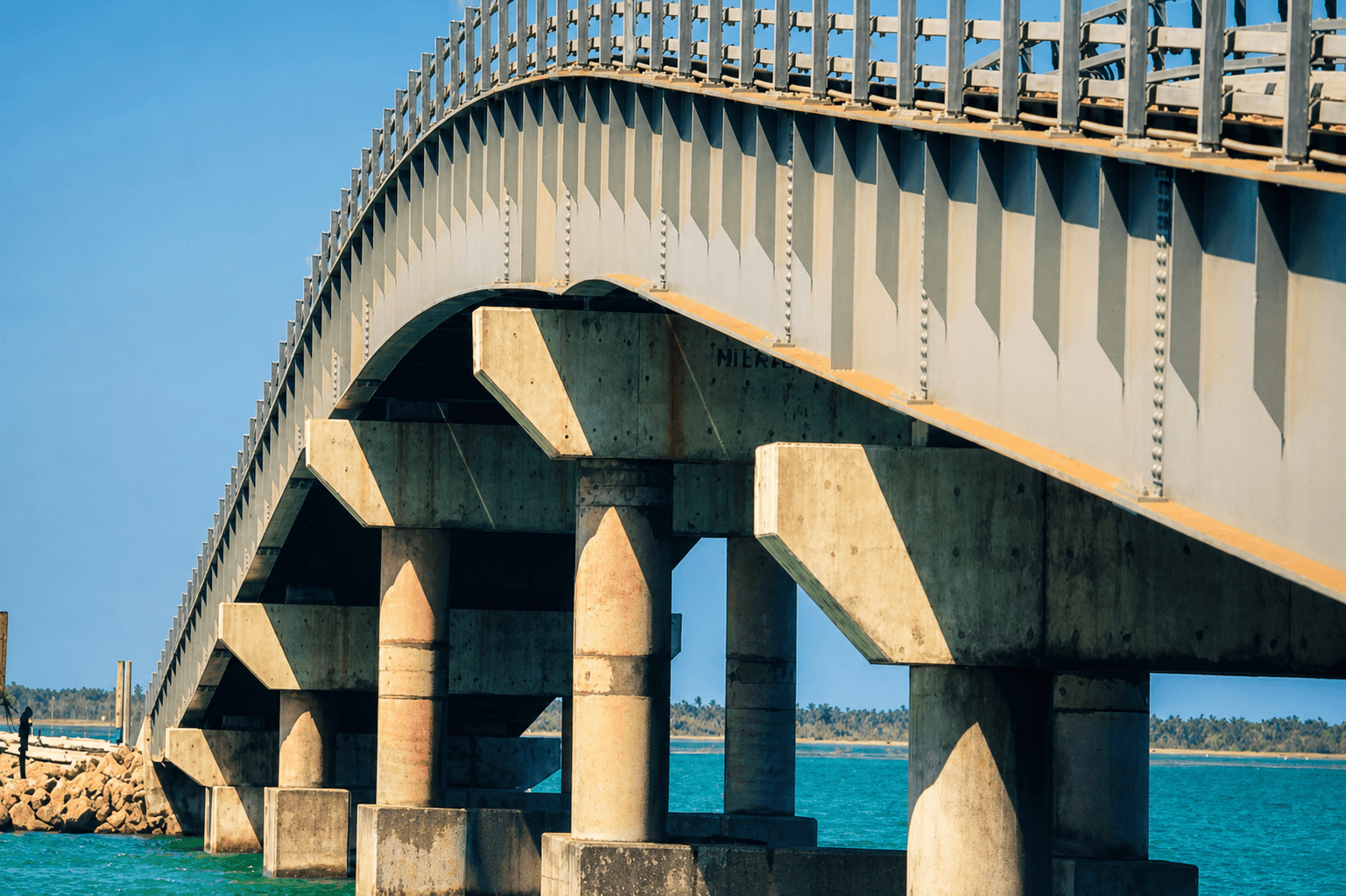
H.E. Engineering has operated in specialised civil engineering since 1995 and works across Sri Lanka and the Maldives. Its waterproofing capabilities cover basements, rooftops and terraces, toilets, balconies, swimming pools, planters, roof gardens, external walls, water-retaining structures, bridge decks and lift wells.
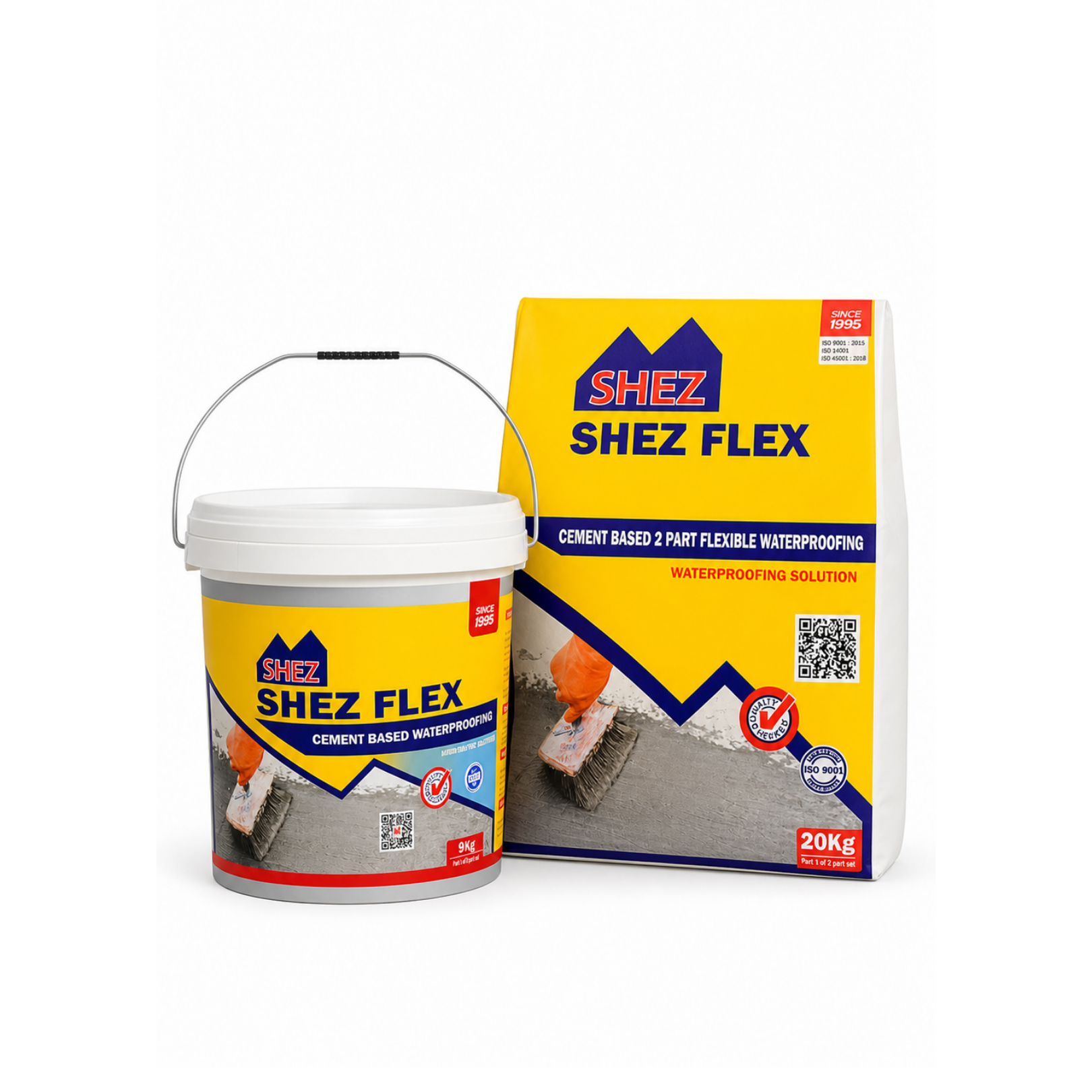
The company also manufactures the SHEZ range of construction chemicals in Sri Lanka and provides related services including concrete rehabilitation, specialised coatings, thermal insulation, industrial flooring and injection grouting.
Frequently asked questions
What is the best waterproofing method for a roof in Sri Lanka?
There is no single answer. The roof geometry, existing substrate, movement, UV exposure, drainage, traffic and whether finishes will be installed above the membrane all affect the specification.
Can waterproofing be applied over existing tiles?
Sometimes remedial systems can be used over existing finishes, but this should not be assumed. The condition and adhesion of the existing finish, the leak path and the proposed system must be assessed first.
How long should waterproofing last?
Service life varies considerably with system type, exposure, workmanship, detailing, maintenance and protection. A technically appropriate system applied to a well-prepared substrate should be evaluated on whole-life performance rather than a generic lifespan claim.
Should waterproofing be done before or after tiling?
For conventional wet-area construction, the waterproofing layer is normally installed and checked before the final tile finish, according to the specified build-up.
Final thought
The most reliable waterproofing decisions begin with diagnosis, not a product name. Understand the exposure, prepare the substrate properly, detail the weak points and use a system designed for the conditions.
For projects in Sri Lanka or the Maldives, H.E. Engineering can assess the application and recommend a suitable waterproofing specification, materials and installation approach.